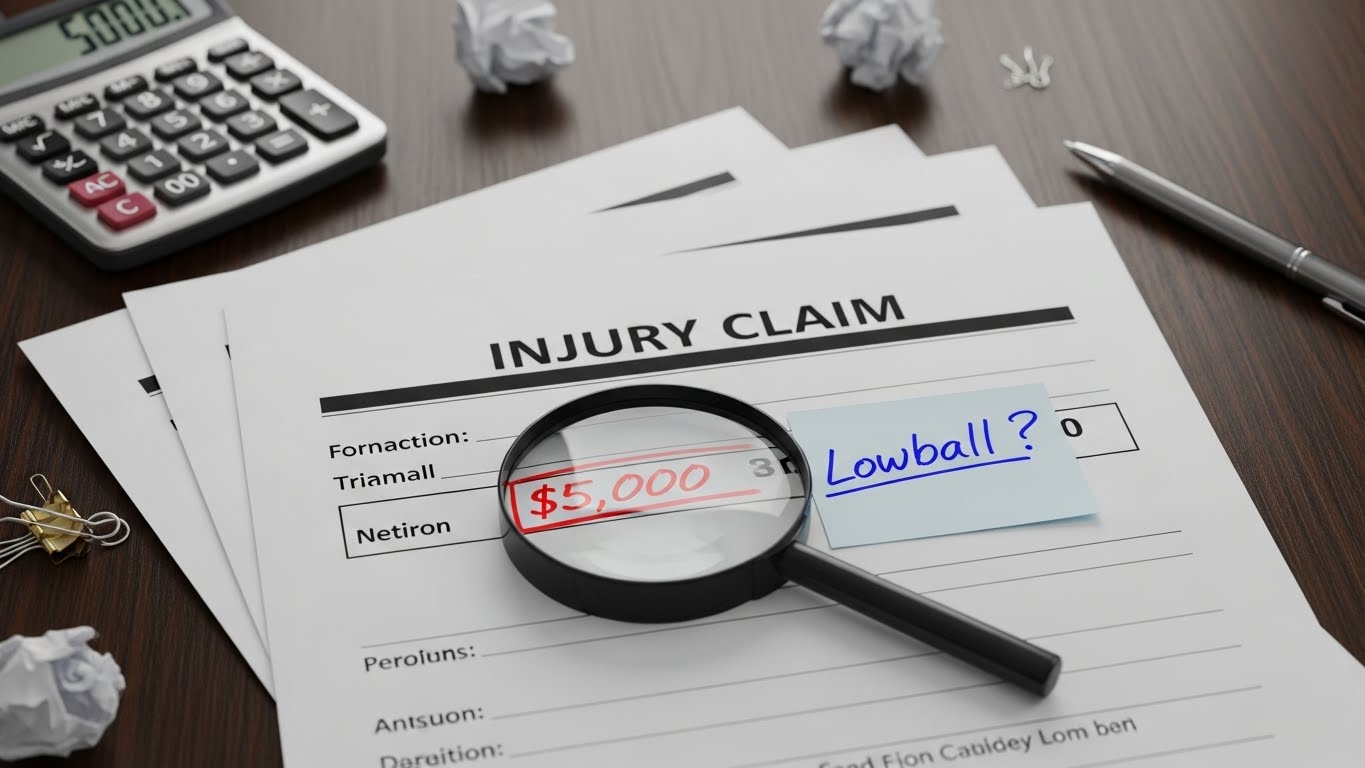
Signs Your Injury Claim Is Being Lowballed by the Insurance Company
Insurance companies often try to minimize payouts to protect their bottom line. Recognizing the warning signs that your personal injury claim is being lowballed is crucial to ensure you receive fair compensation for your injuries and losses.
What Does It Mean to Be Lowballed?
Being lowballed occurs when an insurance company offers a settlement that is significantly lower than what your claim is truly worth. This tactic is common in personal injury cases, as insurers aim to reduce financial liability by taking advantage of victims’ lack of knowledge about the claim process.
Common Signs Your Claim Is Being Lowballed
1. Initial Offer Comes Too Quickly
If the insurance company provides a settlement offer immediately after the accident, it may indicate a lowball tactic. Insurers often hope victims will accept quickly without understanding the full extent of injuries or future medical costs.
2. Offer Doesn’t Cover Medical Expenses
A fair settlement should include all current and anticipated medical costs. If the offer fails to account for surgery, therapy, or long-term care, it’s likely insufficient.
3. Minimizing Lost Wages and Future Earnings
Lowball offers often ignore lost income or potential reduction in future earnings caused by your injuries. Make sure your lost wages, overtime, and future earning capacity are included in the settlement.
4. Downplaying Pain and Suffering
Insurance adjusters may undervalue emotional distress, pain, and suffering. If the settlement seems to disregard your physical and emotional impact, this is a warning sign.
5. Pressure to Accept Quickly
Pressure tactics, such as claiming the offer is “final” or urging immediate acceptance, are common lowball strategies. Never feel rushed to accept a settlement without consulting an attorney.
6. Requesting Excessive Documentation From You
Sometimes, insurers delay or reduce your claim by requesting unnecessary paperwork, hoping victims will get frustrated and accept less. Keep records organized and provide what is necessary, but consult your attorney before sending sensitive information.
7. Contradictory Statements
If the adjuster makes contradictory statements about your liability, coverage, or damages, it may be a tactic to confuse you into accepting a lower settlement.
How to Respond to a Lowball Offer
1. Consult a Personal Injury Attorney
An experienced attorney can review the offer, calculate your damages accurately, and determine whether it is fair. Attorneys can negotiate with insurers on your behalf to achieve a proper settlement.
2. Gather Evidence
Collect medical records, accident reports, and documentation of lost wages. Expert reports can also support your claim and counter lowball tactics.
3. Submit a Counteroffer
Instead of rejecting the offer outright, submit a counteroffer detailing why your claim deserves more. Include evidence such as medical bills, lost income, and expert evaluations.
4. Prepare for Litigation if Needed
If the insurance company refuses to negotiate fairly, filing a personal injury lawsuit may be necessary. While litigation can take longer, it often results in higher compensation if your case is strong.
Tips to Avoid Being Lowballed
- Never accept the first offer without evaluation.
- Keep detailed records of medical treatment, expenses, and lost income.
- Document pain and suffering with journals or diaries.
- Avoid discussing your case on social media.
- Always consult an attorney before responding to an offer.
Related Articles
- When to Reject a Personal Injury Settlement Offer
- How Long Do Personal Injury Settlements Take?
- Can You Still File a Claim If You Were Partially at Fault?
Conclusion
Recognizing the signs that your injury claim is being lowballed can protect you from accepting an unfair settlement. Keep thorough records, avoid pressure tactics, and work with an experienced personal injury attorney to ensure you receive the compensation you deserve.

Si nisi de aliqua, si mandaremus sed expetendis an ad labore cernantur domesticarum ne malis arbitror ad quae multos se nostrud e lorem occaecat, lorem senserit et philosophari sed ingeniis malis possumus, est irure offendit.