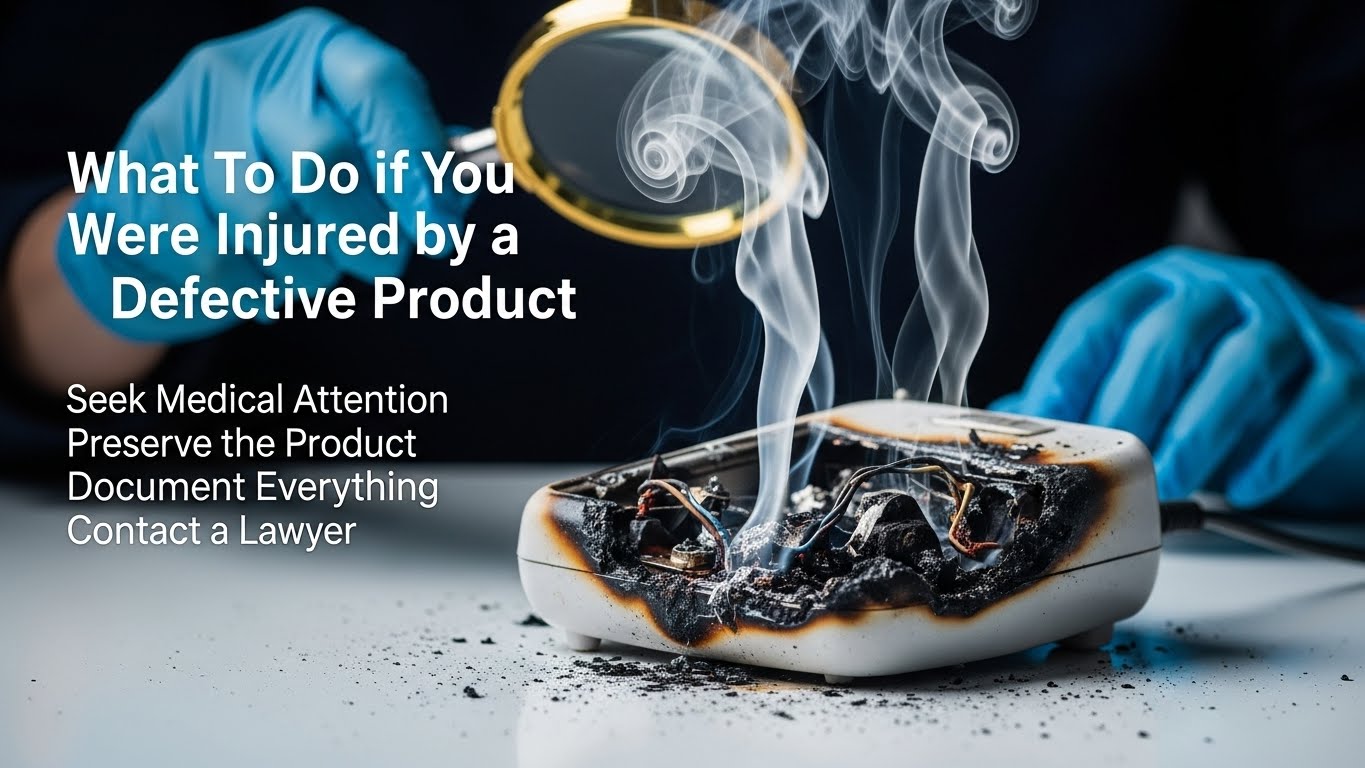
Every year, thousands of consumers suffer injuries because of dangerous or defective products. These include household appliances, electronics, children’s toys, power tools, beauty products, prescription drugs, auto parts, and even everyday items such as chargers or kitchen equipment. If you were injured by a defective product, you may have the right to file a personal injury claim or a product liability lawsuit to recover compensation for medical bills, lost income, and pain and suffering.
This guide explains exactly what to do, how to protect your rights, and what you need to know about product liability laws.
Understanding Defective Products and Consumer Rights
A product is considered defective when it poses an unreasonable danger to users, even when used as intended or in a foreseeable way. Defects typically fall into three categories:
1. Design Defects
The entire product line is inherently dangerous due to a flawed design. For example, a space heater designed without an automatic shut-off feature may easily cause fires.
2. Manufacturing Defects
Something went wrong during production, making a specific unit or batch dangerous. An example is a bicycle with missing bolts or a medication contaminated during packaging.
3. Marketing or Labeling Defects
This includes inadequate instructions, missing warning labels, or misleading claims. For instance, a cleaning chemical without a warning about toxic fumes may harm users.
Knowing which defect caused your injury strengthens your claim and helps your lawyer identify the responsible party.
Step-by-Step Guide: What To Do After Being Injured by a Defective Product
1. Seek Immediate Medical Care
Your health comes first. Even if the injuries seem minor, some conditions—such as burns, internal injuries, or chemical inhalation—may worsen over time. Medical records will also serve as critical evidence linking the defective product to your injuries.
2. Stop Using the Product Immediately
Do not attempt to repair, clean, or modify the product. Leave it exactly as it was at the time of the incident. If you still have the original packaging, instructions, or receipts, keep them safely stored.
3. Preserve All Evidence
- The defective product itself
- Original packaging and user manual
- Purchase receipts or transaction proof
- Photos or videos of the product and your injuries
- Medical bills and treatment documentation
Never return the product to the manufacturer before speaking with a lawyer. They may try to “inspect” it in a way that benefits them—not you.
4. Document Everything
Write down exactly what happened, including:
- When and where you bought the product
- How you were using it at the time of the injury
- Any warning labels (or lack of warnings)
- Names of witnesses
Detailed documentation strengthens your case, especially if the manufacturer claims improper use.
5. Report the Incident
Depending on the product type, you may report the defective item to:
- The manufacturer
- The retailer where you purchased the item
- The Consumer Product Safety Commission (CPSC) — saferproducts.gov
Report only basic facts. Do not discuss fault or compensation before consulting an attorney.
6. Consult a Product Liability Lawyer
Product liability cases are complex. They may involve manufacturers, distributors, suppliers, retailers, or multiple parties. An attorney helps you determine:
- Who is responsible
- The type of defect involved
- Your eligible compensation
- The strength of your case
A lawyer also handles communication with insurance companies, who often attempt to minimize or deny claims. For related guidance, see our legal guide on how personal injury lawsuits work.
What Compensation Can You Receive?
If the product was defective and caused your injury, you may be entitled to compensation for:
- Medical expenses
- Lost wages
- Future medical treatment
- Pain and suffering
- Emotional distress
- Scarring or disfigurement
- Property damage
In extreme cases—such as intentional wrongdoing or reckless disregard—punitive damages may also be awarded.
Who Can Be Held Liable?
Product liability is unique because multiple parties in the supply chain may be held responsible, including:
- Manufacturer
- Distributor
- Retailer
- Wholesaler
- Component part manufacturers
This structure makes it easier for injured consumers to recover compensation without needing to prove negligence in every situation.
How Long Do You Have to File a Claim?
Every state has a statute of limitations that sets strict deadlines. Most states allow 1–3 years from the date of injury, but some allow longer depending on when the defect was discovered.
To understand filing deadlines, read our guide: Understanding Statute of Limitations.
Final Thoughts
Defective product injuries can be painful, costly, and overwhelming. But you don’t have to handle it alone. By taking the right steps—from preserving the product to getting legal help—you can protect your rights and pursue the compensation you deserve. Product liability laws exist to hold companies accountable and keep consumers safe.
If you want to learn more about your legal options, explore our Legal Facts Center for additional resources and guides.
