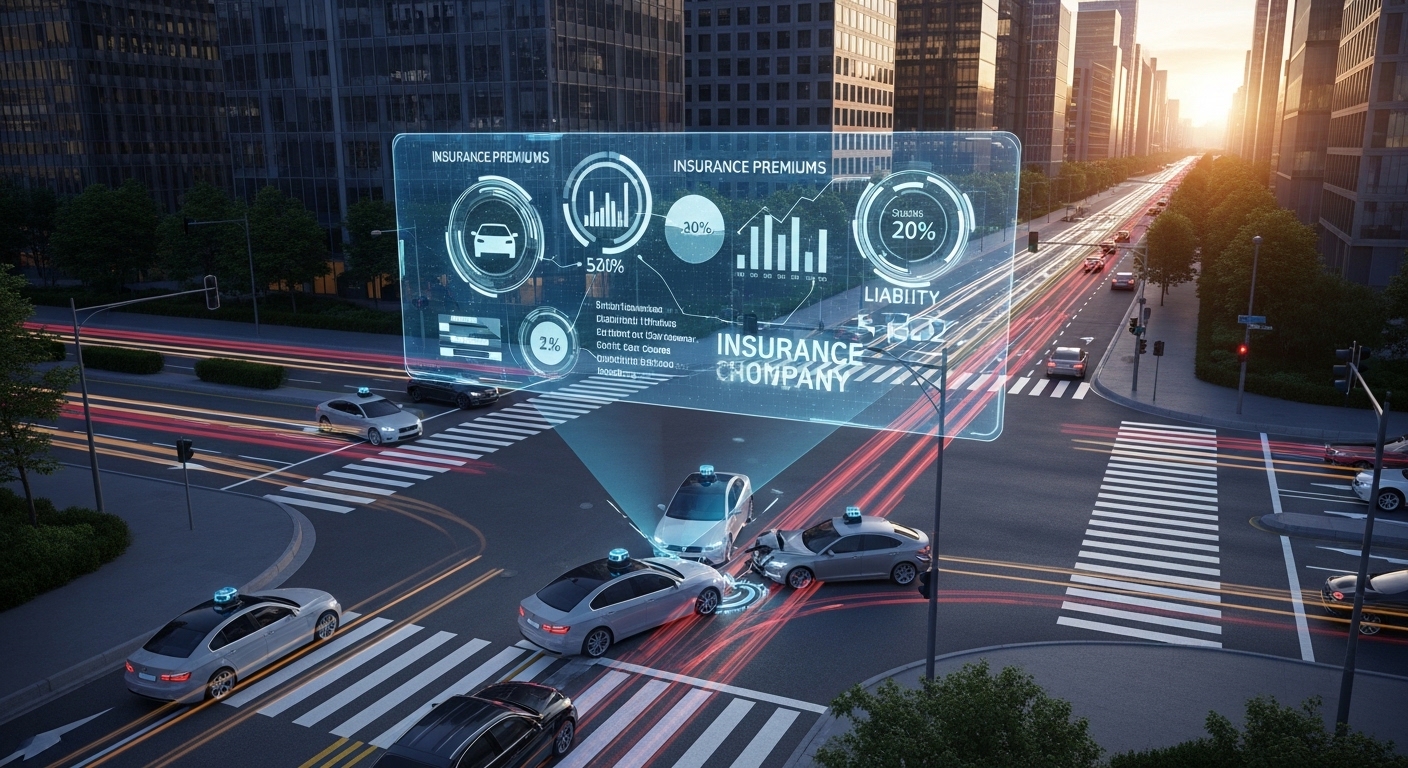
The rise of self-driving vehicles marks a significant transformation in transportation, bringing both opportunities and challenges. One of the most critical aspects that the legal and insurance industries must address is the issue of liability in the event of an accident involving a self-driving car. In this post, we will explore the insurance requirements for autonomous vehicles, the parties involved in liability, and how the legal landscape is adapting to these new technologies.
What Makes Self-Driving Car Insurance Different?
 Self-driving cars, also known as autonomous vehicles (AVs), are equipped with advanced technologies, including sensors, cameras, and software that enable them to navigate without human intervention. This shift from human-driven vehicles to autonomous vehicles presents unique challenges when it comes to insurance and liability.
In traditional car accidents, liability often falls on the driver or the owner of the vehicle. However, with self-driving cars, multiple parties may be involved in the accident’s liability, including the manufacturer, software developer, fleet operator, and maintenance provider. This complexity requires a shift in how insurance is designed and how claims are processed.
How Self-Driving Car Insurance Works
Self-driving car insurance works similarly to traditional car insurance but with important differences. While conventional car insurance covers the driver’s responsibility in an accident, autonomous vehicle insurance policies must account for the vehicle’s technology, including the automated driving system (ADS) and its components.
In many cases, the vehicle owner will still need to maintain traditional insurance coverage for damages caused by the vehicle, even if the car is self-driving. However, the nature of the vehicle’s automation changes the scope of coverage. This includes:
- Liability Coverage: Insurance will cover the damages caused to other vehicles, property, or people when the self-driving system is at fault. This could involve product liability for the vehicle manufacturer or software provider if their systems fail to prevent an accident. NHTSA: Vehicle-to-Vehicle Communications
- Collision and Comprehensive Coverage: This is similar to traditional auto insurance but will need to consider the vehicle’s automated systems in determining fault and coverage for damages to the self-driving car.
- Cybersecurity Insurance: With autonomous vehicles relying heavily on software and connectivity, cybersecurity insurance will become increasingly important to cover risks associated with hacking, data breaches, or malicious interference with vehicle systems. IIHS: Advanced Driver Assistance
Who Is Liable After a Self-Driving Car Accident?
In a typical car accident, liability is usually straightforward, with the driver or vehicle owner bearing responsibility. However, when an autonomous vehicle is involved, determining liability can be complex. Several parties may share responsibility for the crash:
- The Driver: If the self-driving car requires human oversight, the driver may still be held liable if they fail to intervene when necessary. This can be the case in vehicles with semi-autonomous features like Tesla’s Autopilot.
- The Manufacturer: In some cases, the manufacturer of the vehicle may be held liable for defective design or failure of the vehicle’s autonomous systems. If a defect in the hardware or software causes an accident, the manufacturer could be responsible for damages. Tesla Model S Recall
- The Software Developer: If a software malfunction or bug in the autonomous driving system causes an accident, the developer of the software could be liable. This includes failures in interpreting road conditions, traffic signals, or pedestrian movement.
- The Fleet Operator: In the case of ride-sharing services or robotaxi services, the fleet operator may be held liable for the maintenance and deployment of autonomous vehicles. If the operator fails to properly maintain the vehicles or deploy them safely, they could be liable for accidents.
- The Maintenance Provider: If the vehicle’s hardware or software was not maintained properly, leading to an accident, the maintenance provider may also be held liable. This includes issues such as sensor malfunction or failure to update software properly.
What Evidence Is Needed in a Self-Driving Car Accident Case?
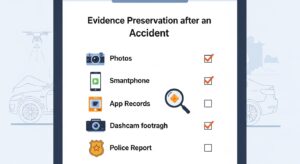 When an autonomous vehicle is involved in an accident, collecting and preserving evidence is crucial for determining liability. Unlike traditional accidents, which rely mostly on eyewitness testimony and physical evidence, self-driving car accidents involve complex data that needs to be preserved, such as:
- Photos and Video: Photographs of the accident scene, vehicle damage, and surrounding areas can provide critical evidence. Additionally, dashcam footage or surveillance videos that show the vehicle’s behavior prior to the crash are essential for the investigation.
- App Records: If the accident involves a ride-sharing service or robotaxi, app records such as trip history, route information, and time stamps can provide insight into the vehicle’s operation at the time of the crash. Uber Legal Resources
- Sensor and Software Data: Autonomous vehicles are equipped with a range of sensors and cameras that capture data throughout the drive. These records can include information on the vehicle’s speed, braking, and decision-making prior to the crash.
- Police Reports: Official reports from law enforcement provide essential information regarding the accident, such as the location, time, and circumstances surrounding the incident.
The Process of Filing a Claim After a Self-Driving Car Accident
The process for filing an insurance claim after a self-driving car accident generally follows the same steps as traditional claims, but with some additional complexities:
Step 1: Medical Treatment
Receiving and documenting medical care is the first priority after any accident. Injuries from self-driving car accidents can be just as severe as those from conventional crashes, so it is important to seek immediate medical attention, even if the injuries do not seem serious at first.
Step 2: Investigation
Once medical treatment is in progress, an investigation into the cause of the accident will begin. This includes gathering all available evidence such as photos, app data, dashcam footage, and any other information relevant to the case. The goal is to determine who is at fault for the crash and what role the autonomous systems played in the accident.
Step 3: Negotiation
After the investigation, negotiations with the responsible party’s insurance company will begin. In some cases, the insurer may attempt to offer a quick settlement, but it is important to have all evidence reviewed by an attorney to ensure that any settlement is fair and covers all medical expenses and damages.
Step 4: Settlement or Lawsuit
If negotiations result in a fair settlement, the case may be closed without needing to go to court. However, if the responsible party’s insurance company refuses to offer a fair settlement, a lawsuit may be necessary to recover damages. In such cases, an experienced attorney can guide you through the legal process and help you pursue the compensation you deserve.
How to Protect Yourself in a Self-Driving Car Accident
If you are involved in a self-driving car accident, it is important to protect your interests:
- Preserve Evidence: Immediately after the accident, take as many photos as possible, record the location of the incident, and save any app records or digital data related to the crash.
- Contact Law Enforcement: Always report the accident to law enforcement to ensure an official record of the incident.
- Consult an Attorney: Given the complexity of self-driving car accident cases, consulting an attorney who is experienced in autonomous vehicle law is essential to help you navigate the process.
Conclusion
As self-driving technology continues to evolve, the legal and insurance industries will need to adapt to address the unique challenges posed by autonomous vehicles. Understanding who is liable in the event of an accident and how insurance works for self-driving cars is essential for anyone involved in a crash. By taking the necessary steps to preserve evidence and seeking legal counsel, you can ensure that your rights are protected and that you receive the compensation you deserve.
If you or a loved one has been involved in a self-driving car accident, contact a personal injury attorney today to discuss your options and ensure that your case is handled with the expertise it deserves. You can also read more about who is liable after a self-driving car crash for a deeper understanding of the legal process.
